How 80s Maze and Memphis Patterns Transform Modern Design
Sometimes a design doesn't need a realistic image of a flower or a person; it just needs energy. There is a specific kind of visual rhythm that happens when you look at a seamless abstract maze pattern or a chaotic arrangement of squiggles and triangles. It feels like a throwback to neon-soaked arcades and Miami Vice, yet it is entirely at home on a modern smartphone case or a minimalist website background. This is the power of using retro-inspired Pattern Design in your creative projects. We are seeing a massive resurgence of 80s abstract maze aesthetics and 90s Memphis style geometry, and it is not just because it looks "cool." These patterns communicate movement, creativity, and a break from the rigid corporate minimalism we have seen for the last decade.
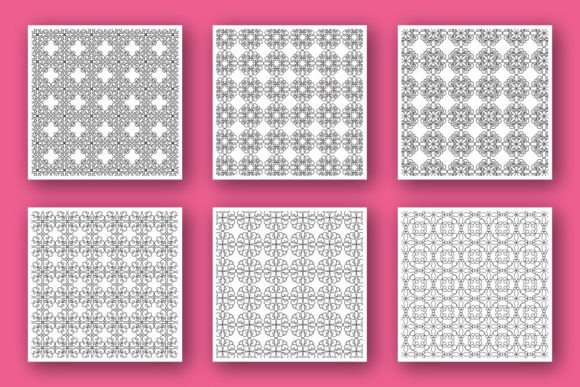
Whether you are a graphic designer looking for versatile assets, a small business owner trying to create eye-catching merchandise, or a crafter wanting to elevate your physical goods, geometric vectors offer a solution that is both practical and visually striking. The collection we are discussing today—featuring 30 distinct AI files, high-resolution JPGs, and transparent PNGs—bridges the gap between nostalgic art and modern utility. It is not just about decoration; it is about creating a visual language that stands out in a crowded market.
The Psychology of Geometry: Why These Patterns Work
Why do our eyes gravitate toward geometric doodles and abstract lines? It comes down to order amidst chaos. A Memphis pattern, for instance, typically features bright, contrasting colors and geometric shapes like triangles and circles that seem to dance on the page. They are playful and loud. In contrast, an 80s abstract maze pattern often utilizes repeating lines to create depth and texture, drawing the viewer into a hypnotic visual experience.
For a brand, using these types of design assets signals that you are current and dynamic. If you are launching a tech startup, a subtle maze pattern on your business cards or pitch deck background suggests complexity and problem-solving. If you are running a boutique clothing line, a bold Memphis pattern on your packaging suggests style and fun. These aren't just random shapes; they are tools for visual communication. Because the files are vector-based, you have total control over the mood. You can take a black and white maze pattern and recolor it to match a moody, earth-toned palette for a wellness brand, or keep it in neon pink and cyan for a music festival poster.
From Screen to Stitch: Applying Patterns to Physical Products
One of the biggest challenges for designers and entrepreneurs is finding assets that translate well from digital screens to physical manufacturing. This is where the quality of the Pattern Design files makes a massive difference. Because this collection includes Adobe Illustrator (.ai) files, the vectors are infinitely scalable. You can shrink a geometric doodle down to fit a tiny label on a lipstick tube, or blow it up to cover a 6-foot wide trade show banner without losing a single pixel of sharpness.
Think about the tactile experience of your customers. Packaging design is often the first physical touchpoint a customer has with your brand. Imagine a matte black shipping box with a glossy, 80s-style geometric maze pattern printed on the interior flap. It creates an "unboxing moment" that feels premium and thoughtful. Or consider merchandise. The demand for unique, all-over print apparel is high. A seamless 90s pattern is perfect for:
- Apparel: Hoodies, t-shirts, and even shoe uppers. The seamless nature of the design means you can tile it endlessly to cover large fabric areas without awkward seams.
- Home Decor: Sofa covers, throw pillows, curtains, and carpet designs. These bold patterns can act as the statement piece in a room's interior design.
- Accessories: Tote bags, laptop sleeves, belts, and ladies' handbags. These items often rely on pattern rather than a single logo to convey style.
Even smaller items like mouse pads or mobile phone covers benefit from high-resolution textures. A JPG file is great for quick mockups, but the transparent PNGs included in this set allow you to layer these geometric shapes over other images or colored backgrounds in Photoshop without worrying about ugly white borders. This flexibility is crucial for creating complex social media graphics or website headers where you might want to overlay text on top of the pattern.
Digital Integration: Web and UI Design
When we talk about web design, the conversation has shifted. We are moving away from flat, solid color backgrounds toward more immersive experiences. Using a subtle, tiled Memphis pattern as a website background can add texture and depth without distracting from the main content, provided you get the opacity right.
For graphic designers and content creators, these files are a lifesaver for social media consistency. Maintaining a cohesive Instagram grid or Pinterest board requires a unified visual theme. By using a specific color variation of a geometric vector set across your posts, you create instant brand recognition. Your followers will start to recognize your content before they even read the caption.
Furthermore, consider the utility for digital products. If you are selling digital planners, presentations, or e-books, a unique background pattern can significantly increase the perceived value of your product. It moves a standard PDF from "homemade" to "professional product." The versatility of these vectors means you can easily adjust the scale of the doodle elements to ensure they don't compete with your typography.
Practical Workflow: Editing and Customization
A major pain point in design is finding "royalty-free" assets that are actually editable. How often have you downloaded a pattern only to find it is a flattened JPG where you can't change the color of that one annoying pink triangle? The inclusion of 30 AI files solves this problem completely.
Working with vectors allows you to deconstruct the Pattern Design. Maybe you love the composition of a specific 80s maze, but the line weight is too thin for a tote bag print. With the vector file, you can stroke the lines thicker in seconds. Perhaps the color palette is too 90s for a corporate client? You can use "Recolor Artwork" in Illustrator to swap the neon greens for corporate blues instantly.
This level of customization is vital for brand identity. You aren't just buying a static image; you are buying a framework that you can adapt to fit specific marketing assets. Whether you are creating a wedding invitation suite that needs a cohesive geometric border, or a series of posters for a local event, having access to the raw vector data ensures your work looks custom-made rather than "off the shelf."
Bridging Eras: The Timelessness of Geometric Art
Trends come and go, but geometry is mathematical and eternal. The 80s and 90s aesthetics are popular right now because they evoke nostalgia, but the shapes themselves—circles, triangles, grids—are fundamental to design. By utilizing a geometric doodle vector background, you are tapping into a visual history that feels familiar yet fresh.
For the entrepreneur or hobbyist, this means your investment in these assets has longevity. You can use them for your current summer campaign, and again in three years for a retro-themed holiday sale. The key is to view these patterns not just as "backgrounds," but as integral parts of your creative font and layout strategy. A bold Memphis pattern pairs beautifully with a clean sans-serif font, allowing the text to pop while the pattern provides the energy. Conversely, a maze pattern can add sophistication when paired with a serif typeface for editorial design.
Ultimately, the goal is to create designs that resonate. Whether you are printing on fabric, coding a website, or designing a logo, the right texture can make all the difference. These seamless, editable, and high-resolution geometric assets provide the building blocks for projects that are not only visually appealing but also commercially viable and deeply engaging.