Timeless Blooms: Using Vintage Floral Backgrounds in Your Designs
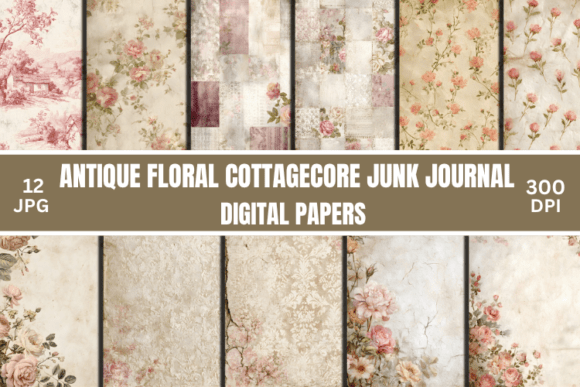
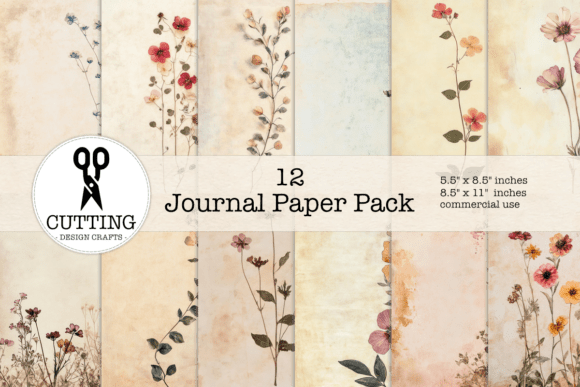
There’s something undeniably captivating about a vintage floral background. It’s more than just a pattern of flowers and leaves; it’s a whisper of history, a touch of nostalgia, and a burst of organic beauty all woven into one. This particular collection, with its charming array of colorful blooms and lush green foliage set against a soft, textured backdrop, feels like uncovering a forgotten piece of wallpaper in a sunlit attic or a page from a beloved grandmother’s journal. For designers, crafters, and entrepreneurs, this isn’t just decoration—it’s a versatile tool for storytelling, capable of adding instant warmth, elegance, and character to a vast range of projects.
The Visual Allure of a Hand-Painted Aesthetic
What sets this vintage floral background apart is its curated imperfection and muted, harmonious palette. The colors aren’t digitally sharp; they feel blended, as if painted with watercolors on textured paper. The green leaves aren’t just flat shapes; they have depth and subtle variations. This authentic, handcrafted quality is incredibly difficult to replicate from scratch and is precisely what gives it power. In a world saturated with crisp, minimalist vectors, this design offers a human touch. It creates a serene atmosphere that can soften hard-edged branding, add depth to flat layouts, and evoke specific emotions—romance for a wedding suite, heritage for a artisanal product, or whimsy for a children’s brand. The included high-resolution 300 DPI JPEG files ensure this texture and detail are preserved beautifully, whether you’re printing a large poster or zooming in on a digital planner page.
Practical Applications Across Industries
The true value of a design asset lies in its adaptability. This floral background transcends a single use case, functioning as a foundational element for numerous creative and commercial endeavors.
- Branding and Logo Design: Use it as a subtle background texture for business cards, letterheads, or website headers to inject personality. For logos, it can serve as a beautiful fill within text or shapes, especially for brands in wedding planning, floristry, boutique retail, or gourmet foods.
- Packaging and Merchandise: Imagine this pattern wrapping a candle, gracing the label of a artisanal jam jar, or covering the front of a notebook. It instantly communicates quality, care, and a classic aesthetic, helping products stand out on shelves and in online stores.
- Digital and Social Media: Create cohesive Instagram story backgrounds, Pinterest pins, or Facebook cover images. Use it as a base for quote graphics, sale announcements, or webinar promotions to ensure your social feed feels curated and visually engaging. The two included sizes (8.5×11″ and 5.5×8.5″) are perfect for standard digital documents and smaller social assets.
- Print Materials and Invitations: This is its most natural habitat. The design is ideal for wedding suites, save-the-dates, baby shower invitations, or thank you cards. Beyond events, it elevates menus for cafes, programs for ceremonies, and decorative posters for home or office.
- Editorial and Content Layout: Bloggers and content creators can use it as a featured image backdrop, a chapter heading background in a digital ebook, or a decorative border for PDF guides. It breaks up text-heavy pages and adds visual interest to long-form content.
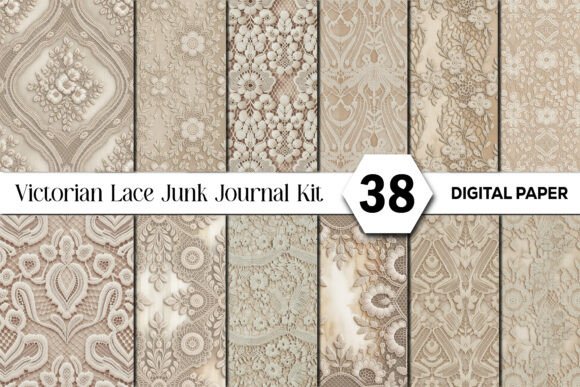
- Crafting and Personal Projects: The 12 unique designs offer fantastic variety for scrapbooking, junk journaling, collage art, and planner decoration. They provide instant backgrounds that don’t compete with photos and memorabilia, instead enhancing the overall composition.
Integrating the Background into Your Design Workflow
Simply dropping a beautiful background onto a canvas isn’t enough. Thoughtful integration is key to maintaining professionalism and clarity. The soft, complex nature of this floral pattern means it works best as a supporting actor, not the star. Pair it with clean, modern typography to create a compelling contrast. A sleek sans-serif font for headings and a highly readable serif or sans-serif for body copy will ensure your message isn’t lost. For more formal or romantic applications, a elegant script font can be used sparingly for titles or monograms.
Always test your designs at the final output size. What looks charming on a large monitor might become visually noisy on a small mobile screen. Use techniques like adding a semi-transparent color overlay, placing content within solid-color boxes or frames, or strategically using negative space to ensure text remains legible and the overall layout feels balanced. The goal is to let the vintage charm enhance your project, not overwhelm it.
Choosing and Pairing with Complementary Fonts
When selecting typefaces to accompany your vintage floral background, consider the mood you’re finalizing. The background’s nostalgic feel pairs beautifully with certain font styles:
- Serif Fonts: Traditional serifs like Garamond, Baskerville, or Playfair Display reinforce the classic, timeless vibe. They are excellent for body text in print materials and elegant headings.
- Slab Serif Fonts: For a more grounded, rustic, or slightly retro look, a sturdy slab serif can work well, especially for packaging or poster designs.
- Clean Sans-Serif Fonts: Fonts like Lato, Open Sans, or Montserrat provide a modern counterpoint that prevents the design from feeling overly dated. This is often the best choice for digital applications where readability is paramount.
- Script Fonts: Use these intentionally. A flowing script can mimic the organic lines of the floral elements, perfect for a wedding invitation monogram. A more structured, vintage-inspired script can add flair to logos or pull quotes. Always ensure script fonts are large enough to be legible.
The key is contrast in weight and style. If your background has intricate details, opt for simpler, bolder fonts. If the background is more muted and subtle, you can afford slightly more decorative typography. Always print a test page or view on multiple devices to check the interplay between the complex background and your chosen typeface.
Considering Commercial Use and Licensing
For entrepreneurs and professionals, understanding the licensing of design assets is non-negotiable. A premium font or background collection intended for commercial use, like this one, is a worthwhile investment. It provides legal peace of mind and often comes with superior quality and support. Before finalizing any project for a client or for sale, verify the specific license terms. Most reputable sources allow for use in end products for sale (like merchandise, printed invitations, or digital templates) but may have restrictions on redistributing the raw asset files themselves. This due diligence protects your business and respects the work of the original creator.
Ultimately, a resource like this vintage floral background collection is about more than the files themselves. It’s about the projects it will help you realize—the heartfelt invitation that sets the tone for a wedding, the product packaging that tells a story on a crowded shelf, the social media graphic that stops a scroll. By understanding its visual strengths and applying it with thoughtful design principles, you transform a simple pattern into a powerful component of your visual communication toolkit.